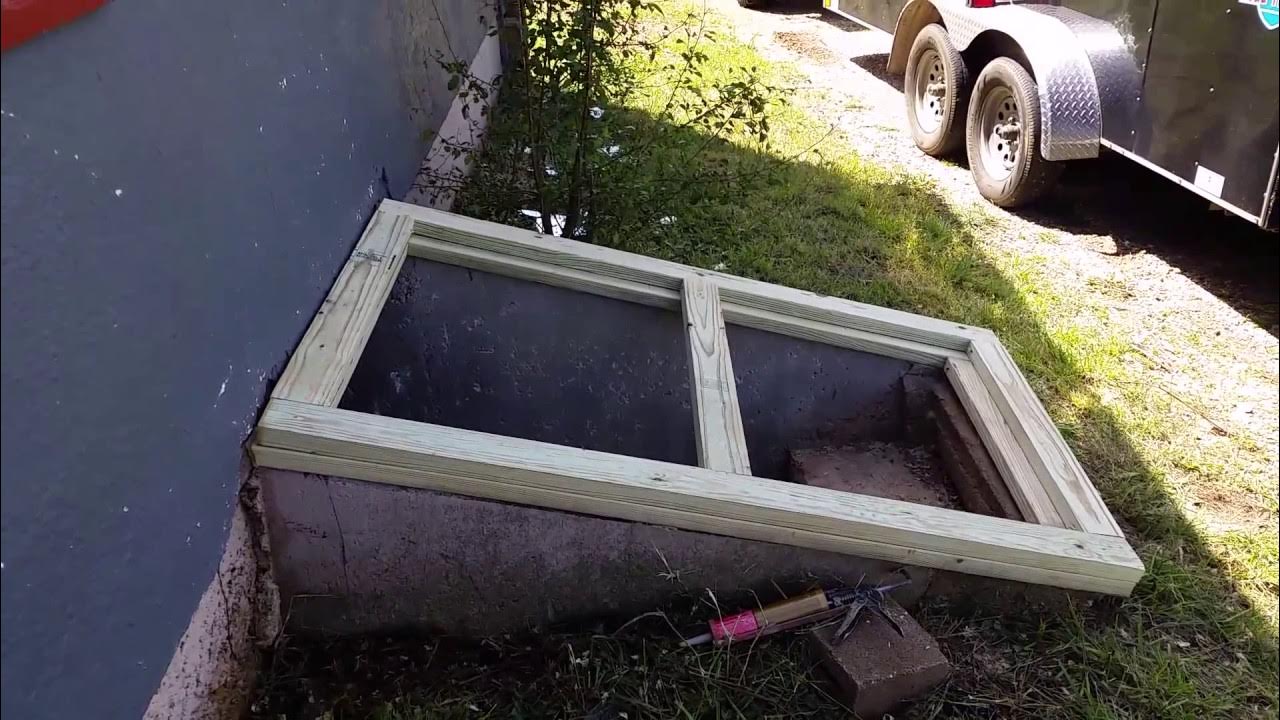
Your home's cellar door often goes unnoticed until it becomes a problem. That weathered, creaking entrance to your basement isn't just an eyesore; it could be a significant vulnerability, compromising your home's safety, security, and energy efficiency. From rotting wood that threatens to collapse to rusted metal that no longer seals properly, an old cellar door is an open invitation for hazards, pests, and skyrocketing utility bills. Upgrading this vital entry point is more than just a renovation; it’s an investment in your home’s structural integrity, peace of mind, and long-term value.
The Hidden Dangers of Neglected Cellar Doors
Many homeowners overlook their basement access, considering it merely a functional entryway. However, a deteriorating cellar door poses a multitude of risks that can have serious implications for your property and family. Understanding these dangers is the first step toward recognizing the urgency of an upgrade.
Safety Hazards: A Ticking Time Bomb
One of the most immediate concerns with an old or damaged cellar door is the risk of physical injury. Imagine stepping onto a rotted wooden door that suddenly collapses under your weight – a truly terrifying scenario. Over time, wood can decay due to moisture exposure, insect infestation, or simple age, losing its structural integrity. Similarly, heavily rusted steel doors can weaken, making them susceptible to bending or failure. Hinges can seize, or fasteners can pull loose, leading to doors detaching unexpectedly. Such failures aren't just inconvenient; they can lead to severe falls, broken bones, or worse. For comprehensive insights into preventing such risks, read our article: Preventing Cellar Door Hazards: Why Steel is Your Best Choice.
Compromised Security: An Open Invitation
A flimsy or poorly secured cellar door is an obvious weakness in your home’s defense. Old, worn-out doors often feature inadequate locking mechanisms or hinges that can be easily pried open or even kicked in by intruders. A decaying frame might not hold a lock securely, turning your basement entrance into the path of least resistance for burglars. Upgrading to a robust, securely locking cellar door is a critical step in fortifying your home against unauthorized entry and protecting your valuables and loved ones.
Weatherproofing Failures and Energy Loss
Beyond safety and security, an inefficient cellar door can severely impact your home's energy performance and create an uncomfortable living environment. Gaps, cracks, and poor seals around an old door allow drafts to penetrate your home, leading to significant heat loss in winter and heat gain in summer. This forces your HVAC system to work harder, driving up your utility bills. Moreover, moisture infiltration through a faulty door can lead to dampness in your basement, promoting mold growth, mildew, and an unhealthy environment. Water damage can also weaken your home's foundation over time, leading to costly repairs. A properly sealed and insulated new basement door is crucial for maintaining a consistent indoor temperature and protecting your home from the elements.
Pest Infestations and Debris Accumulation
Small gaps and openings in a decaying cellar door are not just for air and moisture; they're also perfect entry points for pests. Rodents, insects, and other unwanted critters can easily slip through these cracks, making their way into your basement and, eventually, into the main living areas of your home. Furthermore, a poorly sealed door can allow leaves, dirt, and other outdoor debris to accumulate in your basement stairwell, making it untidy and requiring frequent cleaning.
Why a New Cellar Door is an Essential Home Upgrade
Replacing your old cellar door isn't just about addressing problems; it's about embracing a host of benefits that significantly enhance your home's functionality, aesthetics, and overall value. Modern cellar doors are engineered to provide superior performance in all critical areas.
Enhanced Safety and Durability
The primary advantage of a new cellar door, especially one constructed from high-quality materials like 12-gauge steel, is unparalleled safety and durability. Unlike susceptible wood, steel construction offers exceptional strength, ensuring the door remains stable and secure for decades. This robust build virtually eliminates the risk of collapse due to rot or rust, providing a safe passage for everyone using it. A premium finish, often a high-quality primer, further ensures that the door resists all types of weather, from driving rain to harsh sunlight, preventing rust and corrosion that plague older metal doors. This longevity means less maintenance and greater peace of mind for you.
Superior Weatherproofing and Energy Efficiency
A new cellar door is designed with modern weatherproofing in mind. Featuring advanced sealing systems, tight-fitting frames, and often insulated panels, these doors create an impenetrable barrier against the elements. They effectively prevent drafts, moisture intrusion, and temperature fluctuations, leading to a noticeable improvement in your home’s energy efficiency. By reducing heat loss in winter and heat gain in summer, a new door can significantly lower your heating and cooling costs, contributing to a greener and more economical household. This also protects your basement from dampness, preventing mold and mildew growth and maintaining a healthier indoor environment.
Increased Security and Protection
With enhanced durability comes superior security. Modern cellar doors are built with robust materials and often incorporate advanced locking mechanisms, making them incredibly difficult to breach. The solid construction of steel doors, for instance, resists forced entry attempts far better than old, weakened doors. Investing in a new door means upgrading your home's perimeter defense, deterring potential intruders, and safeguarding your family and possessions. This makes your entire home more secure, giving you greater confidence in your property's safety measures.
Improved Home Value and Aesthetics
While often overlooked, the cellar door is still part of your home's exterior and contributes to its curb appeal. A dilapidated, peeling, or rusted door detracts from your home's appearance, while a clean, well-maintained, and modern door can enhance it. A new door signals to potential buyers that your home is well-cared for and updated, potentially increasing its market value. Many contemporary cellar doors come in various finishes and styles, allowing you to choose an option that complements your home's architectural design.
Choosing the Right Cellar Door for Your Home
Selecting the ideal replacement cellar door involves more than just picking the first option you see. Consideration of material, features, and precise fit are crucial for maximizing safety, weatherproofing, and longevity.
Material Matters: The Case for Steel
When it comes to durability, security, and weather resistance, steel stands out as the superior choice for a cellar door. As highlighted by the Gordon CD-3 model, 12-gauge steel construction offers exceptional strength against impacts, forced entry, and general wear and tear. Unlike wood, steel is impervious to rot, termites, and significant warping, making it incredibly low maintenance. A high-quality primer coating, standard on many steel doors, provides an essential layer of protection against rust and corrosion, ensuring the door remains robust through years of exposure to the elements. While other materials like wood or composite might be available, they typically cannot match the long-term performance and security offered by steel in this critical application. To delve deeper into the advantages of steel, explore our guide: Steel Cellar Doors: Durable, Secure, and Weather-Resistant Upgrades.
Key Features to Look For
- Gauge of Steel: For steel doors, a lower gauge number (e.g., 12-gauge) indicates thicker, stronger steel. This is vital for security and impact resistance.
- High-Quality Primer/Coating: Ensure the door comes pre-primed or with a robust finish that offers excellent weather resistance and prevents rust.
- Effective Sealing Mechanisms: Look for doors with integrated weatherstripping, gaskets, or a design that ensures a tight seal against moisture and drafts.
- Robust Locking Systems: A new door should feature heavy-duty locks that are difficult to tamper with, enhancing your home's security.
- Ventilation Options: Some cellar doors include built-in vents to improve air circulation in the basement, which can be important for moisture control.
- Correct Size and Fit: Precision is key. Measure your existing opening carefully. Many manufacturers offer a range of sizes and even custom options to ensure a perfect fit, which is crucial for effective sealing and operation.
- Ease of Operation: Consider doors with gas springs or other mechanisms that assist in opening and closing, especially for heavier steel models.
The Installation Process: What to Expect
While choosing the right cellar door is crucial, professional installation is equally important to ensure it performs as intended. An improperly installed door can negate all the benefits of a high-quality product, leading to leaks, poor security, and operational issues.
Typically, the installation process involves several key steps:
- Site Preparation: The area around the existing door is cleared, and any surrounding debris or loose materials are removed.
- Old Door Removal: The existing, often dilapidated, cellar door and its frame are carefully dismantled and removed, taking care not to damage the foundation or surrounding structures.
- Opening Preparation: The opening is thoroughly cleaned, inspected for any damage, and prepared to ensure a level and secure surface for the new door frame. Any necessary repairs to the foundation or concrete are addressed at this stage.
- New Door Placement and Securing: The new basement door frame is carefully positioned, leveled, and securely fastened to the foundation. This step is critical for proper operation and weatherproofing.
- Door Panel Installation: The door panels are attached to the frame, and hinges or operating mechanisms are adjusted to ensure smooth, effortless opening and closing.
- Sealing and Finishing: All seams and edges are meticulously sealed with appropriate weather-resistant caulk or sealant to prevent water infiltration and drafts. Any final adjustments are made, and the door's function is thoroughly tested.
While some DIY enthusiasts might consider installing a cellar door themselves, the precision required for proper sealing and alignment often makes professional installation the recommended route. Experts ensure the door is fitted perfectly, maximizing its safety, security, and weatherproofing capabilities from day one.
Maintaining Your New Cellar Door for Lasting Performance
Even the highest quality cellar door benefits from routine care to ensure its longevity and continued performance. A little maintenance goes a long way in protecting your investment.
- Regular Cleaning: Periodically clean the door panels and frame to remove dirt, leaves, and debris. Use mild soap and water, especially for steel doors, to prevent buildup that could trap moisture or cause abrasion.
- Inspect Seals and Weatherstripping: Annually, check the integrity of the seals and weatherstripping around the door. Look for cracks, tears, or areas where the seal has become compressed or dislodged. Replace any damaged sections to maintain optimal weatherproofing.
- Check Hinges and Hardware: Lubricate hinges, springs, and other moving parts as recommended by the manufacturer. This prevents rust and ensures smooth operation. Tighten any loose screws on hinges or locking mechanisms.
- Monitor for Rust (Steel Doors): Even primed steel can eventually show signs of wear. If you notice any chips in the paint or small rust spots, address them promptly. Clean the area, lightly sand any rust, and apply a rust-inhibiting primer followed by a suitable exterior paint to protect the metal.
- Clear Drainage Channels: If your door design includes drainage channels, ensure they are free of debris to allow water to properly escape, preventing pooling that could lead to rust or leaks.
Don't let a neglected cellar door compromise the safety, security, and efficiency of your home. Replacing an old, dilapidated door with a modern, robust solution, especially one crafted from durable steel, is a smart investment that pays dividends in enhanced protection, improved energy savings, and greater peace of mind. Take the proactive step today to upgrade your home’s critical entryway and transform a potential hazard into a durable, weather-resistant asset.